











Social Democracy: An Alternate History
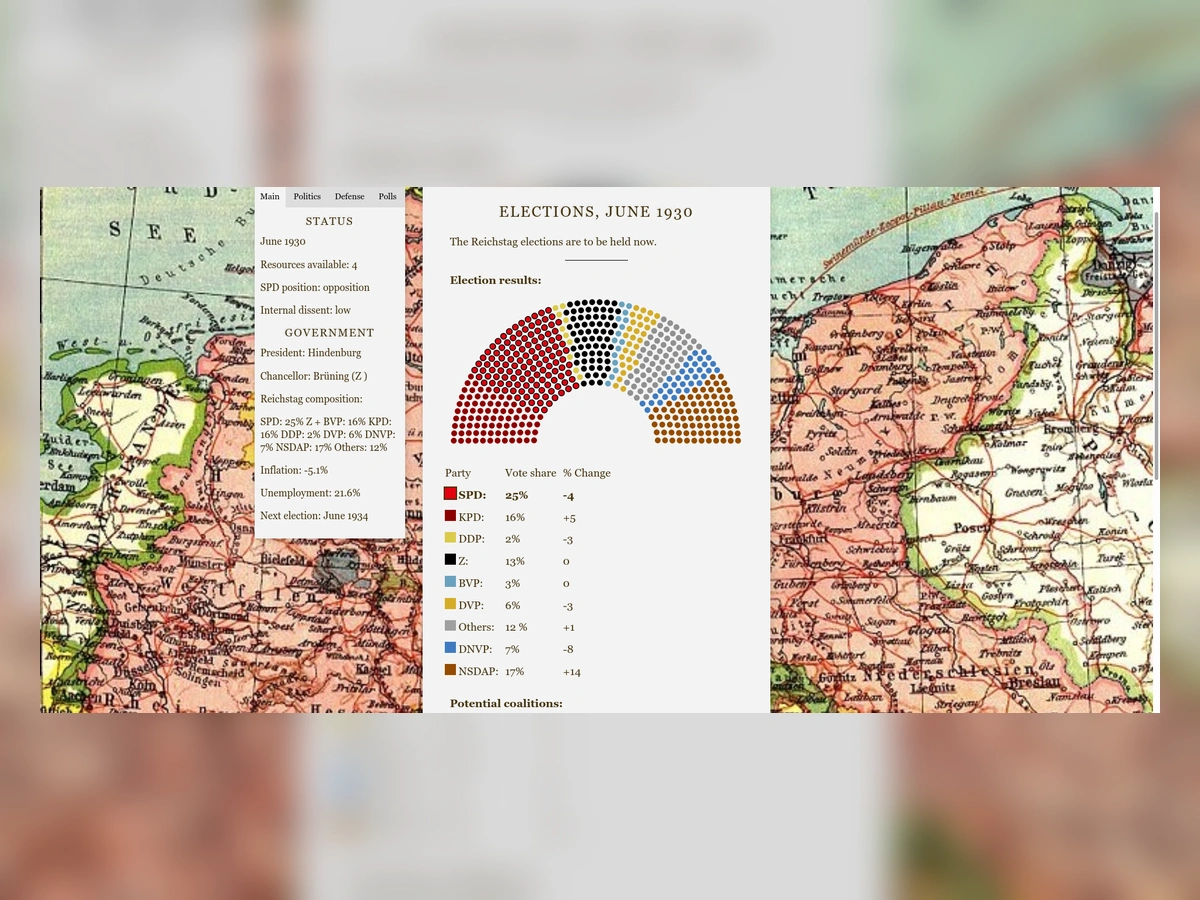
Social Democracy: An Alternate History is a card-driven political management run where every decision reshapes public pressure and long-term stability. It works well in a browser because the first session is easy to start, yet the best runs still ask you to slow down, notice the shape of the screen, and make a decision with intent. The appeal is not only speed. It is the way each mistake teaches a clearer route for the next attempt.
The Core Loop in Social Democracy: An Alternate History
The main objective is to balance competing demands, manage risk, and guide the timeline without letting one crisis consume the run. That gives the game a compact loop: observe, act, check the result, and adjust. A good run usually begins with one quiet scan of the scene. Look for the safest opening, the most useful object, or the one hazard that can ruin the next few seconds. Once that first read is done, the action feels much more controlled.
When to Slow Down
Social Democracy: An Alternate History feels strongest when you resist the urge to rush. The screen often gives enough information to predict what will happen next, but only if you let the pattern settle for a moment. This is why short sessions can still feel satisfying. Even a failed attempt can reveal a better order of moves, a cleaner angle, or a safer timing window for the next try.
Players searching for alternate history sim should expect a focused browser experience rather than a heavy download. The game loads into a direct play area and keeps the attention on the interaction itself. It is a good fit for quick breaks, but it also has enough texture for repeated attempts when you want to improve a route or chase a cleaner finish.
Turning Mistakes Around
A reliable approach is to make the first move only after you know what it unlocks. avoid reacting to every warning at once; protect the core plan and let small problems wait when they can. If the game includes pickups, hazards, or timed events, think of them as a sequence instead of separate problems. The best move is often the one that leaves the most useful space afterward. When a run goes wrong, avoid restarting instantly; watch the final mistake and use it as a map for the next attempt.
The visual style also helps readability. stylized card table, abstract civic icons, newspaper shapes without readable text, calm strategic palette gives the thumbnail and playfield a clear identity, while the moment-to-moment design stays focused on objects that matter. That clarity is important on laptops, tablets, and smaller screens because the player needs to recognize the active area quickly. Keep the view centered, avoid covering the game with other windows, and use fullscreen when the scene has tight spacing.
Playing Social Democracy: An Alternate History
- Mouse / touch: choose, drag, aim, or confirm the main action on screen.
- R: restart quickly when the current run is no longer useful, if supported.
- Fullscreen button: expand the play area when you want a cleaner view.
For the smoothest session, start with a short warm-up run and learn how the game responds before chasing a perfect result. Once the basic rhythm is familiar, try to reduce wasted movement, unnecessary clicks, and late reactions. That simple improvement loop is what makes Social Democracy: An Alternate History worth revisiting: every run can be cleaner than the last without needing a long setup.
💬 0 Comments
Leave a Comment