






Delia: The Traveling Witch
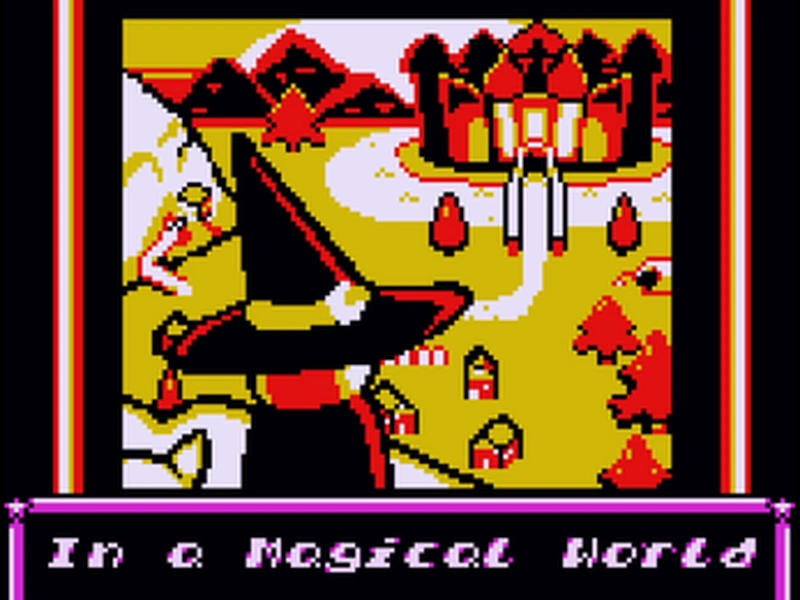
Delia: The Traveling Witch is a wonderfully enchanting retro gaming experience built entirely through the robust GBStudio engine by passionate solo developer Kaimatten. When you first step foot into the magical and pixelated land of the Glutinous Kingdom, you quickly realize you are wrapped in a sprawling, multi-stage quest that will test your reflexes and warm your heart. Delia, the titular traveling witch, and their radiant companion, a Glowing Pig named Bao, are tasked with a seemingly simple yet profoundly important mission: curing a sick child. This initial request spirals into a massive journey across the entire magical land. The vibrant pixel-art aesthetics perfectly echo the beloved 90s, taking players on a 60 to 120-minute nostalgic ride full of surprises. Whether you enjoy meticulously exploring overworld maps, chatting with quirky townsfolk, or engaging in intense boss battles, this title brings the undeniable charm of old-school handhelds right to your modern web browser or via a traditional ROM download. Let's dive deep into the specific features, historical development, and engaging mechanics of this incredible Delia: The Traveling Witch adventure.
Action Platformer
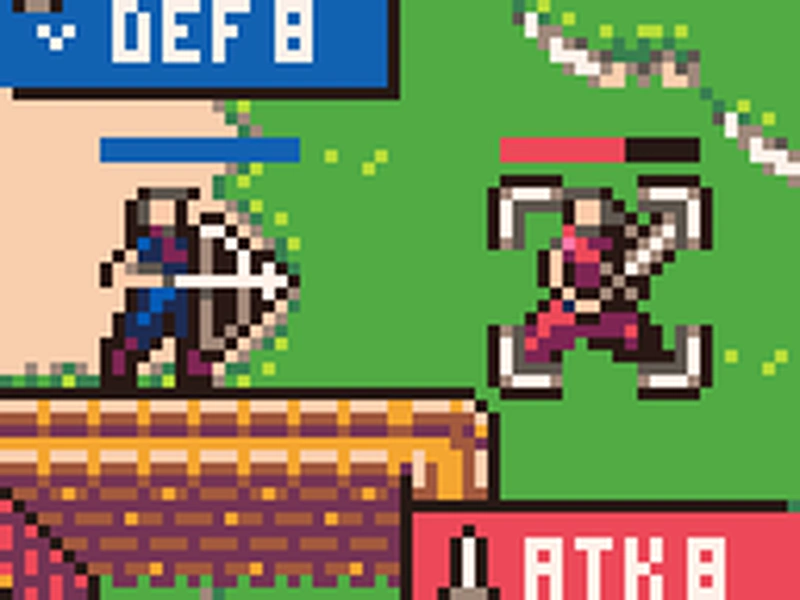
The core gameplay of this classic witch game heavily relies on precise jumps, navigating tricky terrains, and exploring. The platforming elements are carefully crafted to ramp up in difficulty as you progress through the game's eight distinct stages.
- Challenging jumps: You will face increasingly complex jumping challenges across various distinct environments scattered throughout the Glutinous Kingdom.
- Explore locations: Delia needs to traverse numerous beautifully designed pixel-art maps, finding hidden areas and secrets in every corner of the world.
- Quick reflexes: Mastering the jumping mechanics ensures you won't fall into the traps set by the kingdom's many unique enemies and hazards.
- Responsive controls: Using the "Z" button to jump and interact gives the game an authentic, snappy retro feel that players expect from the classic genre.
- Invincibility frames: Taking damage grants a brief window of invincibility, allowing you to reposition Delia safely away from relentless monsters.
- Steady scaling: The difficulty curve moves at a brisk, sensible pace, allowing newcomers to learn the ropes before facing truly daunting leaps of faith.
This platforming foundation is the beating heart of Delia's overarching quest. The developer has spent weeks fine-tuning and balancing these mechanics, ensuring that whether you play in your browser or through the downloadable ROM, you get the absolute best experience possible.
Schmup Section
While jumping and dodging are crucial for survival, Delia is far from defenseless. The game surprisingly blends genres to keep the gameplay loop fresh and constantly exciting.
- Minor Shmup sequences: The game features unexpected but highly enjoyable minor shoot-'em-up sections where you blast away incoming foes.
- Projectile combat: Utilizing the "X" button lets Delia shoot magic projectiles at enemies, or cancel actions while navigating through the game's menus.
- Enemy weaknesses: Different enemy types might require varying strategies, specific angles of attack, or rapid firing to successfully defeat them.
- Boss battles: Some of the game's toughest encounters, including the notorious Mira boss fights, heavily rely on mastering these ranged combat mechanics.
- Genre blending: Integrating these mechanics prevents the game from becoming a repetitive jumping simulator, keeping players on their toes.
- Fishing minigame: Beyond shooting, there are other genre-bending elements like a fully functional fishing minigame to break up the pacing.
These combat segments provide a refreshing change of pace from traditional platforming. Kaimatten has expertly blended these mechanics to ensure players never feel bored as they bounce back and forth between exploring peaceful towns and shooting down aggressive monsters.
Talking NPCs
A rich adventure needs a rich, populated world. The Glutinous Kingdom feels exceptionally alive thanks to its colorful cast of characters.
- Engaging dialogue: The world is filled with lots of talking NPCs to interact with, each offering unique perspectives on the unfolding adventure.
- Quest giving: Characters provide vital hints, contextual lore, and main requests—most notably the initial mission to cure the sick child.
- Humor and heart: Players and reviewers have consistently noted the game's charming writing, including memorable characters like the King's hilariously ever-wet advisor.
- World-building: Conversing with locals adds incredible depth to the overall 90s-style narrative, making the pixelated world feel vast and lived-in.
- Town exploration: Safe zones and towns offer a respite from the action, allowing you to catch your breath and talk to everyone without fear of attack.
You are never truly alone on your journey. While Bao the glowing pig is constantly by your side, it is the quirky, funny, and sometimes bizarre inhabitants of the towns and fields that truly bring the game's narrative to life. Interacting with these characters is just as rewarding as defeating a tough boss.
Gameboy Limitations
Built specifically to run on authentic Gameboy hardware, the game fully embraces both the distinct aesthetics and the technical constraints of that bygone era.
- 90s finicky-ness: Expect to experience the quirks, visual limitations, and specific hardware constraints of the original Gameboy Color.
- Authentic graphics: The sprite work, backgrounds, and overall environments strictly use the classic restricted color palettes of the late 90s.
- GBStudio engine: The recent transition and update to GBStudio 4 has improved graphical fidelity slightly while strictly maintaining the authentic retro spirit.
- Memory constraints: Minor sprite flickering might occur when too many tiles are on a single line, perfectly simulating a true, genuine handheld experience.
- Open source assets: The developer has graciously made the project folder available, giving aspiring creators access to the art assets (Creative Commons 4.0) to see how the limitations were creatively handled.
These limitations are not drawbacks; rather, they are deliberate, nostalgic design choices that greatly enhance the atmosphere. Playing this on a dedicated emulator handheld or a web browser faithfully recreates the specific feeling of clutching a chunky plastic console on a long car ride.
Directional Keys Movement
Mastering your character's movement is the absolute key to surviving the magical land and reaching the game's cute, heartwarming ending.
- Navigate with precision: You must use the Directional keys to move Delia around the expansive overworld and the tight platforming stages.
- Fluid control: The movement speed is described by players as brisk and sensible, keeping the overall pace of the game highly enjoyable and rarely frustrating.
- Overworld map: An interactive, top-down overworld map allows you to move between different distinct locations smoothly and seamlessly.
- Dodging danger: Combining quick movement with jumps and projectile shots is absolutely essential during the chaotic, multi-phase boss fights.
- Accessible scheme: With simple, straightforward controls—Directional keys to move, Z to jump/interact, X to shoot/cancel, and Enter to pause—the barrier to entry is extremely low.
Delia's adventure is a wonderful testament to the boundless creativity possible within strict technical boundaries. Over its 12+ weeks of initial development, the game rapidly expanded to include eight distinct stages, numerous patches, bug fixes, and countless memorable moments. Delia: The Traveling Witch isn't simply just a retro game; it is a heartfelt love letter to the platformers of the past, inviting a whole new generation of players to experience the pure, unadulterated joy of 90s handheld gaming.
💬 0 Comments
Leave a Comment